

Hybrid flooring has become a clever solution for busy Australian homes that need durability and style in equal measure. Choosing the right hybrid floor laying pattern helps transform ordinary rooms into spaces that feel polished and cohesive. Whether you prefer the clean symmetry of straight planks or the statement of herringbone, your pattern choice guides the eye, reduces visible wear, and creates flow throughout your home. Moreover, it affects how well moisture is kept out and how your floor withstands heavy use. This article explores each option, allowing you to make informed decisions without hesitation.
What makes a hybrid floor laying pattern ideal for busy areas?
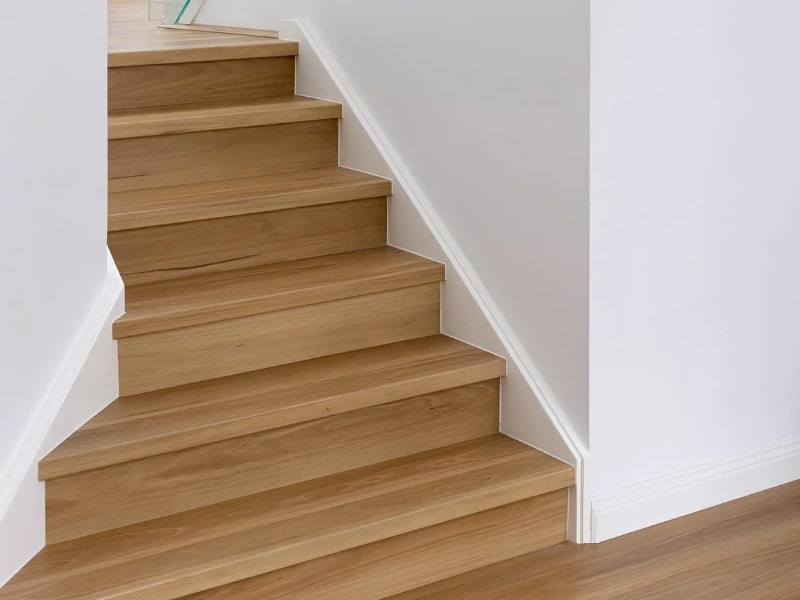
Busy areas require flooring that can withstand constant traffic without compromising its appearance.
- Chevron patterns guide movement through the space, making hallways feel longer and creating a sophisticated look that pairs well with minimalist interiors or open-plan living. When used in narrow corridors, chevron helps draw the eye outward, making spaces appear larger than they are.
- Herringbone layouts: They help mask scuffs and scratches, keeping the floor looking fresh even in households with pets and kids who love to run around. This pattern naturally hides dirt, reducing the need for constant cleaning or touch-ups.
- Wide-plank designs: These reduce seam lines but may reveal wear more quickly if installed improperly. They can still be practical when paired with darker finishes or textured surfaces that help disguise dents and scrapes.
- Diagonal installations: They add visual interest while distributing foot pressure more evenly, which helps minimise individual planks bowing over time. Diagonal layouts are especially useful in high-traffic areas, such as entryways or kitchens, where spills and heavy loads are often present.
When you understand which patterns handle wear best, you avoid headaches later. For a more thorough approach to planning, consider exploring efficient solutions for hybrid floor laying pattern projects, which outline proven ways to balance durability and style. A durable pattern can save you money and effort.
How does a hybrid floor laying pattern improve waterproof results?
Moisture is a lurking problem if your layout isn’t properly sealed. A smart pattern can help deflect spills before they seep in.
- Brick bond layouts: They stagger seams so water has fewer straight paths to creep into. This approach is often used in kitchens and bathrooms where water exposure is common.
- Diagonal arrangements: These guide liquid away from plank edges, supporting moisture protection and helping reduce damage.
- Mixed-width planks: They allow better drainage when installed by professionals familiar with each board’s placement. The variety of plank sizes adds depth while helping with water flow across the floor.
- Herringbone setups: Their interlocking joins help create a tighter surface that resists moisture penetration over time. This pattern is especially practical in households where spills are frequent.
Overlooking these details can quickly become a costly misstep. To understand how each design contributes to water resistance, it helps to spend time exploring how hybrid flooring delivers waterproof performance before installation begins. Water resistance starts with clever planning.
Why should experts guide your hybrid floor laying pattern choice?
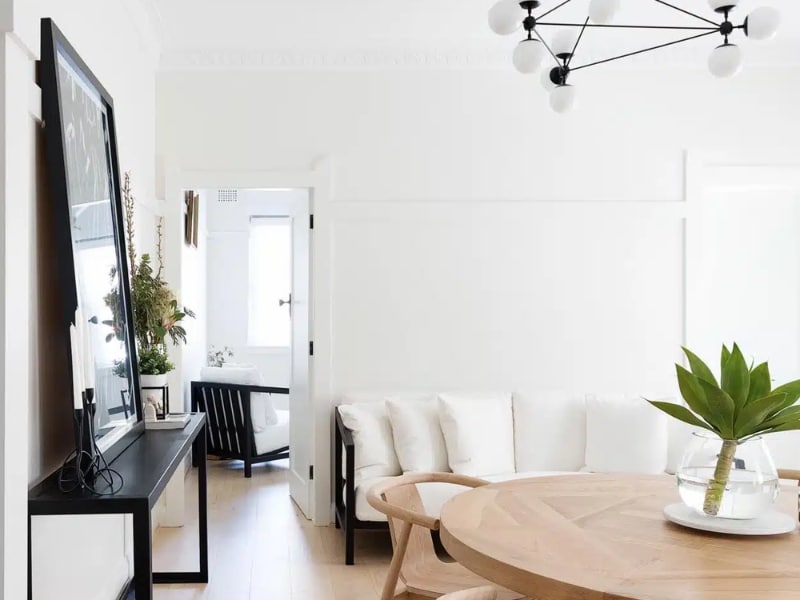
DIY might look tempting, but complex patterns often need a pro’s touch to come together properly.
- Site surveys: They uncover hidden issues such as uneven surfaces or damp subfloors that can compromise the installation. Professionals use the right tools to measure moisture and ensure the floor meets standards.
- Pattern planning: Experts know how to balance layout, lighting, and traffic flow to make sure your design improves rather than shrinks a room visually.
- Precision cutting: Skilled installers can manage tricky cuts around corners and edges without gaps or ragged lines. This detail is especially important with herringbone and chevron patterns, where every misalignment stands out.
- Seam sealing: Proper sealing reduces the chance of gapping that could affect waterproof performance and structural stability.
If you’re unsure which design suits your home, consider a hybrid floor layout pattern that aligns with your style, allowing you to create a clear plan that reflects how you use each room. Trusting experience often saves time.
Which hybrid flooring materials best match modern laying patterns?
Material choice affects how patterns look and feel over time. Different cores suit different areas and expectations.
- Rigid core hybrids: Well-suited for spaces needing extra dent resistance. They hold up well in open-plan areas with consistent daily foot traffic.
- Stone-plastic composites (SPC): Designed for wet areas such as laundries and kitchens, where spills and moisture can occur.
- Wood-plastic composites (WPC): Offer a softer feel underfoot and are often chosen for living rooms or bedrooms.
- Embossed finishes: Add texture in herringbone and chevron layouts, delivering the look of timber without the maintenance demands.
Here’s a clear summary of hybrid flooring features and
The right combination helps your floors stay attractive over time. Modern hybrids are built to handle everyday demands.
How do you prepare subfloors for a hybrid floor installation pattern?
Preparation makes or breaks the final result. If you skip this step, you can expect trouble later.
- Moisture testing: A calibrated meter shows hidden damp areas. Skipping this can lead to mould or lifting planks.
- Levelling compounds: These smooth out dips that can cause boards to flex or shift over time.
- Cleaning and vacuuming: Dust-free surfaces help adhesives bond better and reduce movement after installation.
- Acclimatising materials: Let planks adjust to room conditions to prevent expansion or contraction gaps later.
If you ignore safe working practices while preparing, you risk preventable injuries. To reduce these risks, focus on eliminating slip and trip hazards during hybrid floor installation, a simple step that protects everyone on site. Care upfront prevents repairs later.
Is expert installation needed for hybrid floor laying pattern designs?
Hybrid flooring may seem straightforward, but expert installation often makes the difference between an impressive finish and a patchy appearance.
- Precision alignment: Patterns require accurate measurements to stay straight and balanced across the room.
- Custom trims: Cutting around doorways and corners takes the right tools and experience.
- Underlay selection: The right underlay supports sound control and comfort underfoot.
- Seam protection: Proper adhesives and sealing techniques help keep moisture and debris out of joints, ensuring a durable and watertight seal.
Rushing installation is a sure-fire way to end up with crooked seams and wasted planks that spoil the result.
Final thoughts
Hybrid flooring patterns blend style and practicality to enhance modern spaces. From moisture control to the feel underfoot, every step matters. Whether you want a statement chevron or a more understated plank design, thoughtful preparation pays off in the long run. Suppose you’d like to understand the process in more depth. In that case, you might appreciate learn how Cosy Group simplifies your hybrid flooring journey, which shows how planning, materials, and expert installation all come together to deliver a polished result.