

What’s the point of a fresh carpet if it barely lasts longer than your school holiday break? If your home’s like most Aussie households — packed with kids, pets, errands, and activity — then standard carpet laying just won’t cut it. Whether it’s the wrong adhesive, skipped prep, or dodgy joins, choosing the proper carpet installation methods matters more than you might think. Floors take a flogging every day, so your install approach needs to hold up. This article examines what works, what doesn’t, and which carpet installation methods are most suitable for households with fast-moving lifestyles.
What flooring frustrations do busy households face?
Busy families rarely have time to stop and patch up flooring mistakes. And yet, low-quality installs or poor planning can cause issues that nag at you daily. Here are the top floor-related frustrations families often face:
- Short lifespan: Carpets tend to wear down quickly in high-traffic areas, such as hallways and living rooms.
- Stain retention: Low-grade underlays or fabric types allow spills to soak in and linger.
- Installation mess: Dust, adhesives, and tool marks make cleanup more complicated than expected.
- Project delays: Trades that run late disrupt daily routines and extend the duration of renovations.
- Furniture juggling: Moving furniture around before and after installation throws off routines.
- Edge fraying: Poor finishing lets carpet edges unravel after only minor wear.
- Noisy floors: A lack of sound-dampening materials causes more footfall noise, especially in multi-storey homes.
Avoiding daily disruptions starts with the right flooring plan. If it’s not prepped to handle chaos, you’ll be back to square one before long.
Which common mistakes cause carpet installation to fail?
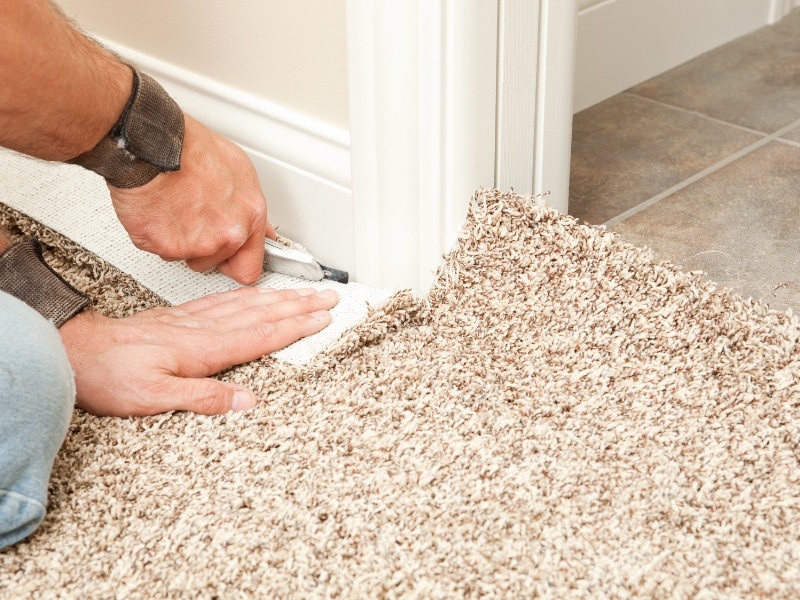
Even good materials can’t compensate for a poor installation. Rushing the job or skipping key steps almost always leads to problems — ones you’ll notice fast. Here are the most common errors that wreck your carpet installation:
- Subfloor neglect: Uneven or dirty surfaces lead to visible ripples and uneven wear.
- Incorrect adhesives: Poor glue choices mean carpet shifts underfoot or doesn’t bond well.
- No acclimation: Laying carpet straight from the truck can cause shrinkage or bubbling.
- Imprecise trimming: Skimping on edge finishing can lead to fraying and corner lifting.
- Skipping the seam inspection: Overlooked seam placement can lead to high visibility and weakness.
- Wrong tool use: Basic tools or shortcuts can damage materials or leave waves in the finish.
- Over-stretching: Stretch-in methods done too tightly may cause the carpet to pull away from the floor over time.
You’ll get better results by understanding the crucial preparation steps before installing carpet, especially if you’re managing the process alongside other trades.
How can poor carpet-laying techniques disrupt home life?
It’s not just an eyesore — a poorly laid carpet can actively make your day harder. From cleaning to comfort, the small things add up. Here are the direct impacts of low-quality carpet laying on family life:
- More cleaning is needed: Gaps near walls and joins trap dirt, crumbs, and pet hair.
- Increased hazards: Loose edges or bulges create trip risks, especially for young kids.
- Uneven wear: Poor tensioning causes visible paths and worn-out spots within a short period.
- Noise issues: Lack of acoustic underlay increases sound transfer in multi-level homes.
- Furniture drag marks: Bad placement means furniture sits unevenly or damages the surface.
- Lack of comfort: Uneven underlay results in bumpy or hard-to-feel patches.
- Unstable corners: Inconsistent edge grip causes the carpet to lift under foot traffic.
When choosing between peak season prices and off-peak deals, it’s crucial to understand how seasonal trends affect carpet installation pricing before making a decision.
What should families prioritise when choosing installation methods?
A good carpet job isn’t just about looks — it’s about how it holds up to your real-life routine. The method you choose should match how your household moves. Here are the key installation priorities for busy households:
- Fast curing: Some methods dry faster, so rooms can be used sooner after installation.
- Resilient underlay: Boosts softness while resisting moisture and wear.
- Seam strength: Techniques that limit joins reduce the chances of fraying or peeling.
- Adaptability: Select methods that allow for partial repairs without removing the entire floor.
- Low-VOC adhesives: Safer for kids and pets, especially right after installation.
- Furniture-ready installs: Some methods allow heavy furniture to return sooner without damage.
- Long-term durability: Opt for options that strike a balance between comfort and extended wear resistance.
For high-traffic homes, the best approach involves efficient carpet installation methods that deliver durability without prolonging the timeline.
What makes some carpet fitting solutions more suitable for kids and pets?
Between schoolbags, scooters, and paw prints, your flooring wears a lot of hats. Some carpets and fitting methods are better suited to the chaos than others. Here are the most child- and pet-friendly carpet installation features:
- Loop pile options: Tighter weaves are less prone to damage or snagging with claws and toys.
- Modular tiles: When one section is damaged, it can be easily replaced without lifting the entire lot.
- Hidden joins: Seams placed under furniture or in doorways reduce trip hazards.
- Stain-resistant backings: Protects both carpet and underlay from spills and accidents.
- Thermal resistance: Some carpets provide extra insulation, making them ideal for toddlers who crawl in winter.
- Odour-blocking layers: Prevent pet smells from permeating the carpet over time.
- Scratch resistance: Some materials are more resistant to movement or sharp claws.
Designing for durability means fewer worries every time your dog tracks in mud or your toddler tips juice across the floor.
Can advanced carpet installation methods speed up renovations?
Absolutely — today’s carpet laying techniques can slash days off your timeline without cutting corners for families juggling renovations around school terms or work rosters, speed matters.
Here are the leading modern installation methods and their pros:
| Method | Time to Install | Best Use Case | Durability |
| Stretch-In | 1–2 Days | Bedrooms, low-traffic areas | Moderate |
| Double-Glue | 2–3 Days | Stairs, high-traffic zones | High |
| Carpet Tiles | 1 Day | Kids’ rooms, basements | Moderate |
| Pre-Attached Carpet | <1 Day | Rental properties, quick flips | Low |
Here are a few reasons these methods work well during time-sensitive renovations:
- Less downtime: Quicker installs mean less disruption to the household.
- Fewer trades: Some methods reduce the need for multiple flooring specialists.
- Simpler repairs: Easy access to damaged sections without full reinstallation.
- Clean installs: Low-mess techniques keep surrounding rooms usable.
- Adhesive-free options: Some newer methods skip glue entirely for faster prep.
- Tool-free fixes: Damaged tiles or squares can be easily lifted and swapped without the need for trades.
For homes with mixed flooring needs, licensing rules for wall and floor tiling professionals ensure that the install team is adequately certified across all surfaces.
Final thoughts
No flooring lasts forever — but if yours isn’t even getting through the year without issues, something’s off. The proper carpet installation method supports your routine, reduces stress, and makes the most of your materials. If you’re navigating kids, pets, tight budgets, or tricky timelines, it helps to get tailored advice from someone who’s seen it all before. For more installation information tailored to your family’s needs, discover how Cosy Group customises flooring to meet your specific requirements.